Our team

Yan Gong, Ph.D., PI
I am a plant development biologist interested in the cellular and molecular mechanisms that plants use to pattern themself and form specialized structures. During my Ph.D., I worked with Dr. Dominique Bergmann at Stanford University in California, studying cell polarity and stomata development in Arabidopsis. My thesis focused on how cell polarity is controlled in the stomatal lineage and how changes in cell polarity alter the developmental progression of lineage stem cells. During my postdoc in Dr. Elena Kramer’s lab at Harvard University, I was attracted to nectaries and started to investigate the cellular and molecular dynamics behind nectary development in Aquilegia and Mimulus as well as the evolutionary history of nectaries in these lineages. At Berkeley, I am excited to dive deeper into the developmental mechanisms that govern nectary fate determination and differentiation as well as evolutionary history of nectaries in these two taxa. In addition, I am hoping to expand my research program on nectaries into other angiosperms lineages, such as Rosaceae and Tropaeolum plants.

My research interests originated with a desire to breed plants for pest resistance. I studied trichome-mediated insect resistance in tomato and fungal resistance in hazelnut at Cornell and Oregon State, respectively. I have been a PMB researcher since 1999 where I began an appointment in the laboratory of Dr. Sarah Hake, studying maize leaf and inflorescence development via forward genetics. In 2021, I became a Research Specialist in the Krasileva Lab wherein I characterized enhanced disease resistance to yellow rust in tetraploid wheat. In early 2025, I also joined the Lofgren Lab, evaluating the potential of different native California tree and Suillus fungi combinations to become a tractable ectomycorrhizal study system. In mid-2025, I joined the Gong Lab, circling back to development to explore the myriad paths to nectary elaboration in non-model species. My current passion is launching and facilitating the careers of students and biologists at all levels from my trifecta of amazing labs studying plant-microbe interaction, development, evolution and immunity.





China Lunde Shaw, Research Specialist/Lab Manager
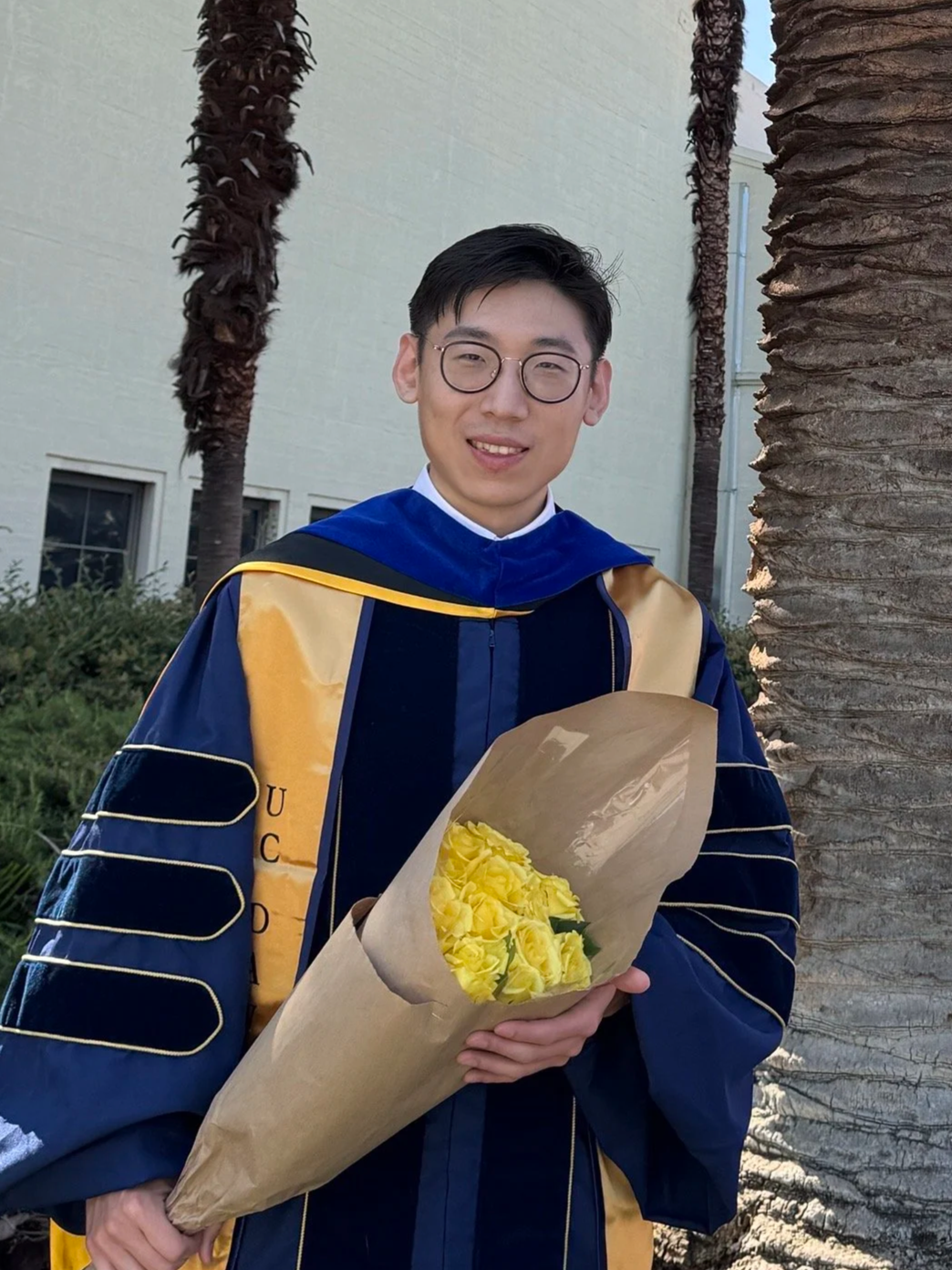
Hongtao Zhang, PhD, Postdoc Researcher
I am fascinated by how plant developmental and physiological processes are dynamically regulated through the integration of internal programs and environmental cues. Understanding their underlying mechanisms not only addresses fundamental biological questions but also offers valuable insights for agriculture and ecology in the face of climate change. My research journey began at Peking University, where I worked as an undergraduate researcher in Dr. Shunong Bai’s lab, studying the spatiotemporal regulation of lateral bud development in rice. During my Ph.D. at the University of California, Davis, I joined Dr. Stacey Harmer’s lab to study the Arabidopsis circadian clock. By integrating transcriptomic, genetic, molecular biology approaches, we characterized transcriptional and post-transcriptional mechanisms essential for biological timing. As a postdoc in the Gong lab, I am excited to combine my interests in developmental biology and molecular genetics to investigate floral nectary development in Mimulus (monkeyflower). Using comparative and molecular genetic approaches, I aim to uncover the gene regulatory networks underlying shared and divergent developmental programs among Mimulus species.
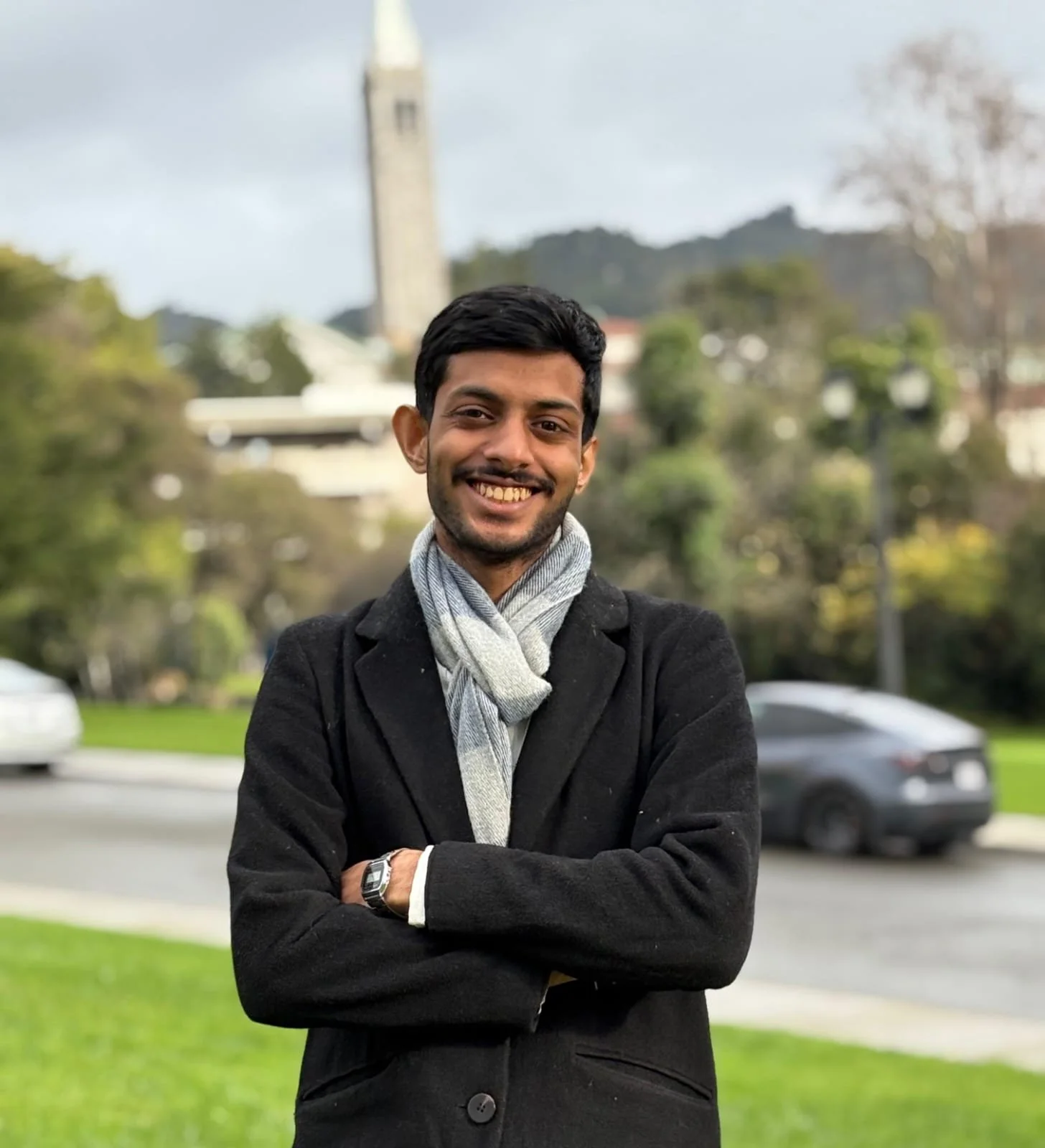
Jacob Gigi Kurian, Graduate Student
Hailing from the lush green landscapes of Kerala in India, I began my scientific journey at IISER Thiruvananthapuram (a mouthful, I know !), where I worked with Dr. Ravi Maruthachalam to decode the complexities of plant centromere organization. My fascination with chromosomal architecture led to a collaboration with Prof. Andreas Houben at IPK Gatersleben, Germany, exploring the unique holocentric chromosomes of Nutmeg (Myristica fragrans). These formative research experiences deeply shaped my interests, anchoring them in the intersection of genetics and molecular biology. I have since expanded my research interests to see how the complex genetic information is dynamically regulated to drive development. I am captivated by the idea that "Nature is a tinkerer, not an inventor". Evolution often thrives by subtly tweaking existing gene regulatory networks to produce extraordinary developmental novelties. In the Gong Lab, I am focused on solving these "evo-devo" mysteries in the context of gene regulatory networks that drive the development of nectaries in Mimulus and Rosaceae.
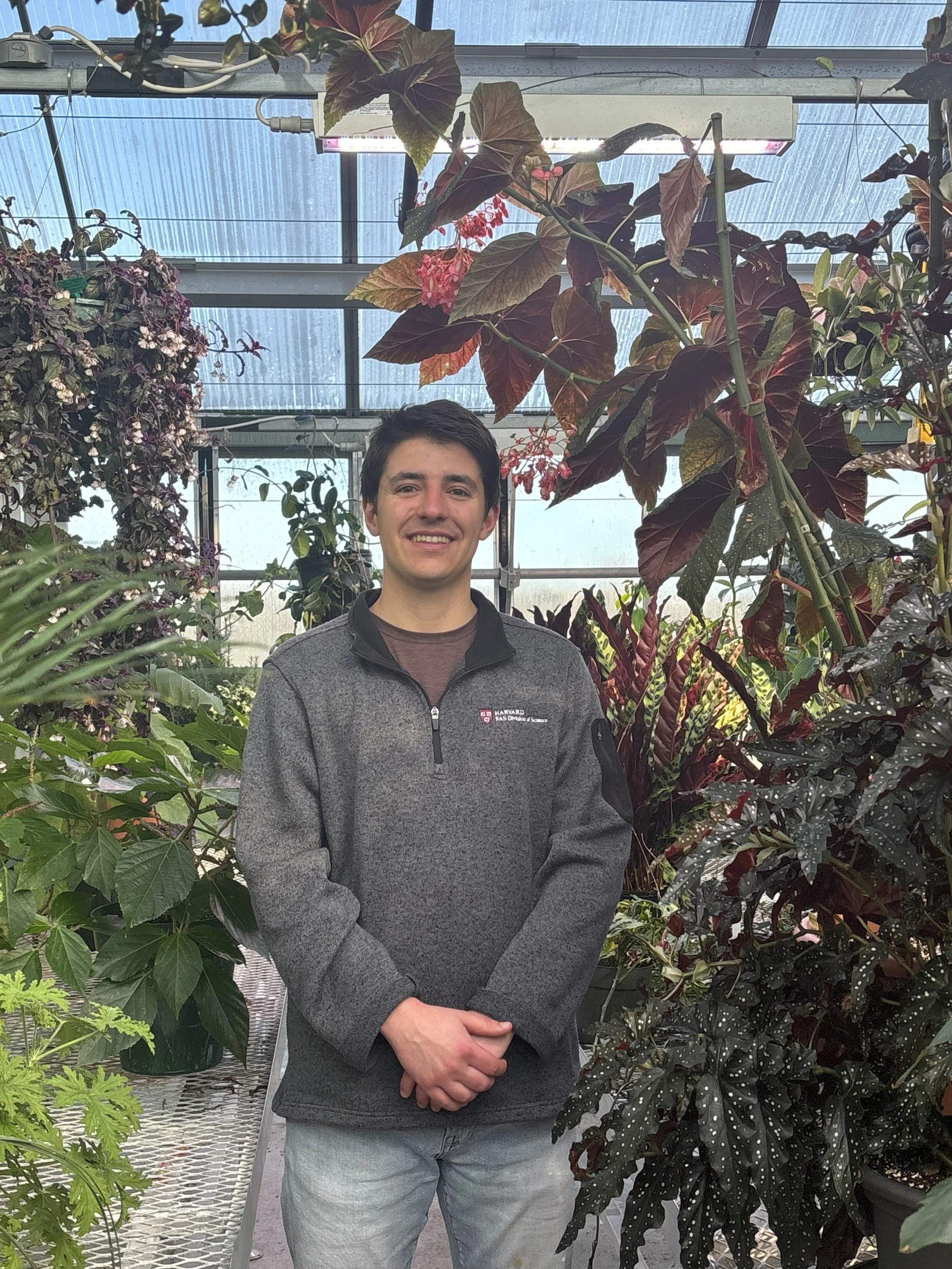
James "Fitz" Dougherty, Joint Graduate Student
I am a joint graduate student between the Gong lab at UC Berkeley and Dr. Elena Kramer’s lab at Harvard University. Microscopic pore complexes perform a variety of essential functions for plants, such as regulating gas exchange and secreting nectar. I am interested in exploring the development and physiology of nectarostomata, which secrete nectar, in comparison with our knowledge of the development and physiology of stomata that perform gas exchange. My hope is to better understand how nectarostomata function, how they are influenced by the environment, and how they came to be over evolutionary time.
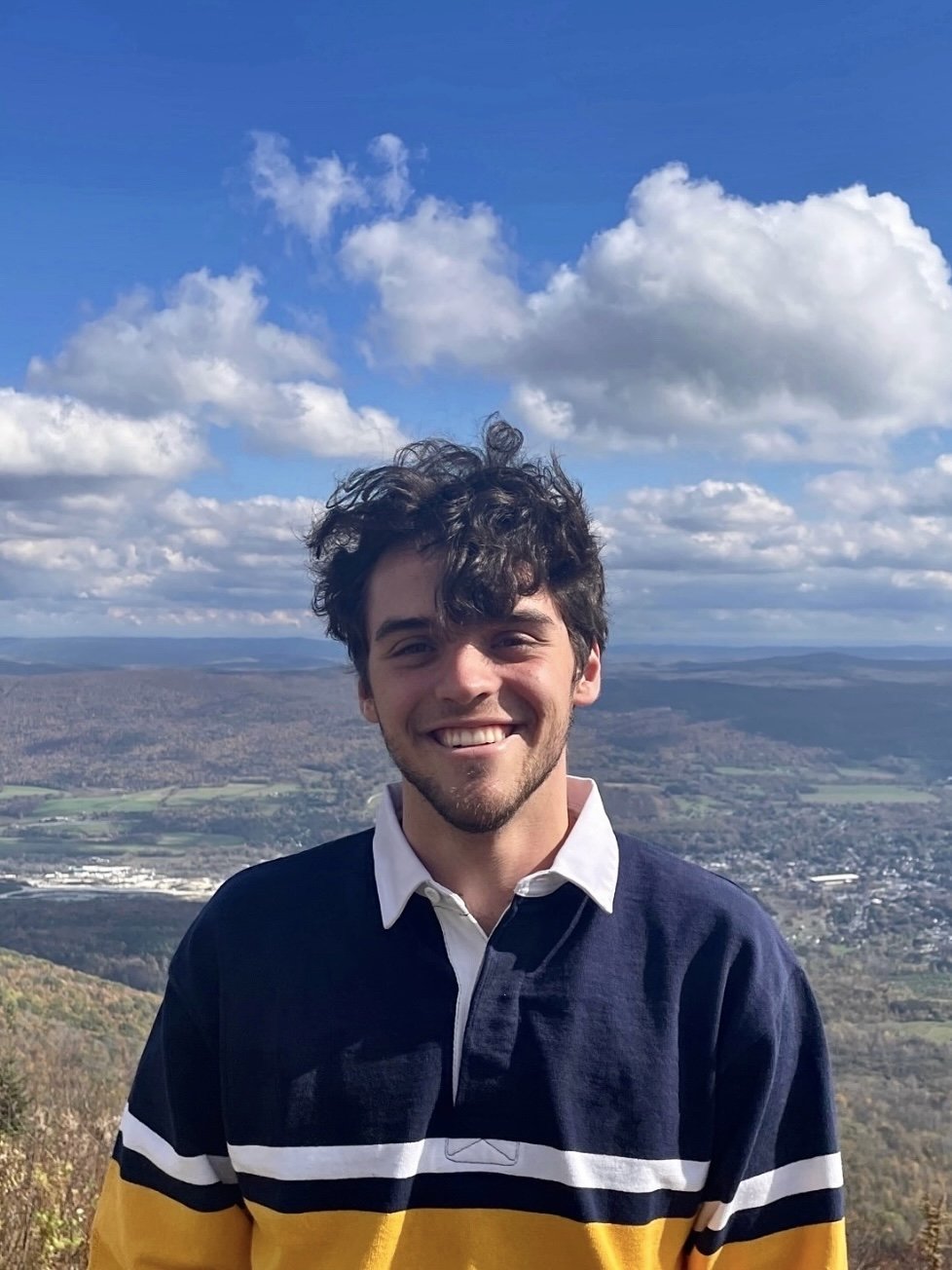
Quinn Evans, Research Associate
I am interested in how genes specify cell fate and pattern formation, and how evolutionary changes in gene regulatory networks generate morphological and functional diversity in plants. During my undergraduate studies at Yale University, I worked with Dr. Jenn Coughlan to study evolutionary adaptation in Mimulus. My thesis examined the genetic architecture of functional trait divergence in a California endemic, focusing on a suite of traits thought to be important for ecological adaptation in the context of recent speciation. In the Gong lab, I am excited to explore how genetic pathways are co-opted and modified to regulate nectary formation. I also love singing, pottery, and spending time in the great outdoors.
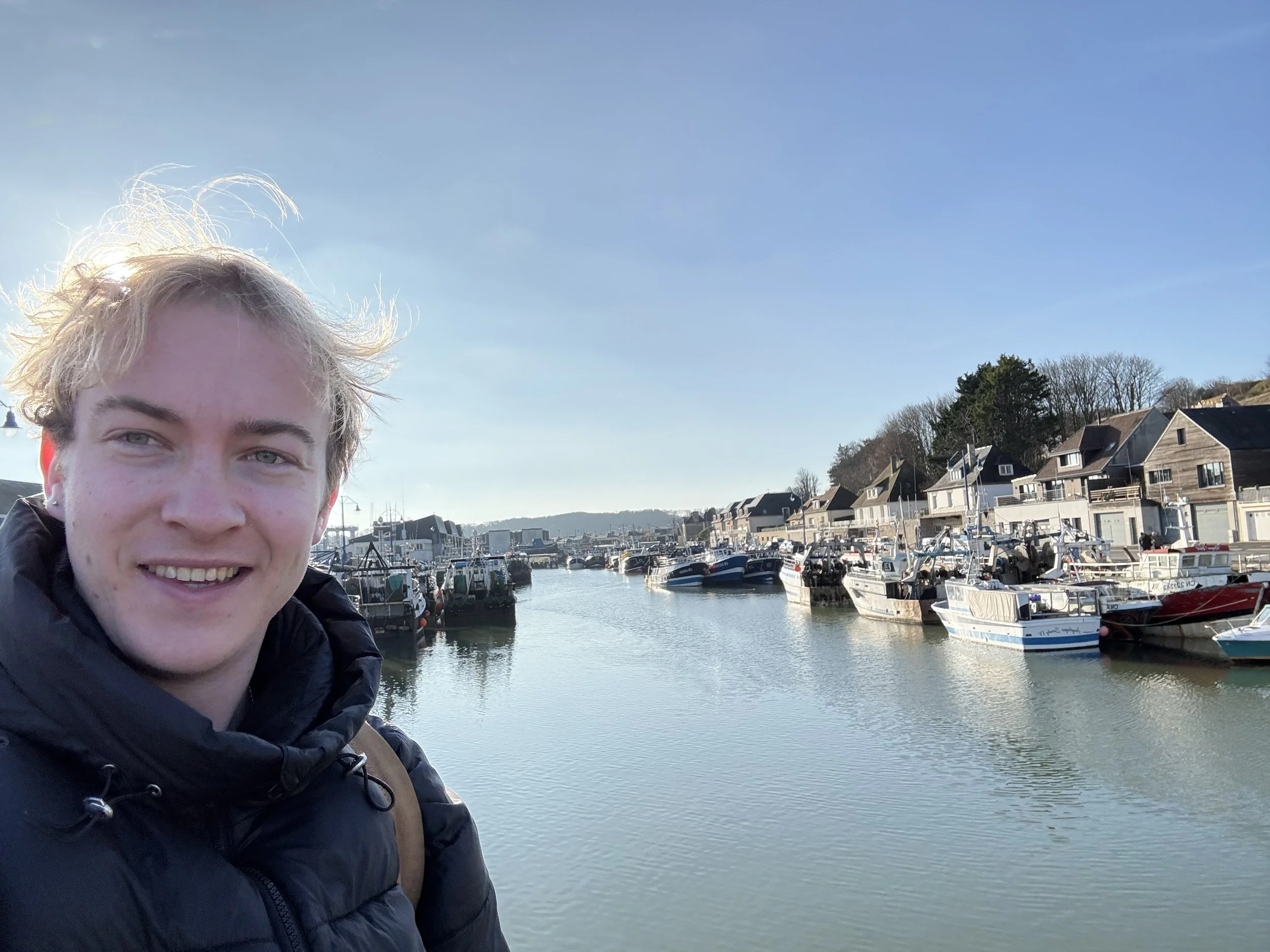
Casey Herbert, Research Associate
I recently graduated from UC Berkeley with a degree in Molecular Biology. My passion for science stems from my experiences as an avid scuba diver, which led me to pursue biology and join a research lab during my undergraduate studies. My research in the Harland lab focused on using CRISPR/Cas9 to generate knockouts of sleep-disorder risk genes in Xenopus Laevis to study their impact on neural development. I characterized phenotypes converging on defects in forebrain neural development, and the pipeline I helped to establish is now being used to study the knockout of a gene impacting pineal gland size. Additionally, I worked with the jellyfish species Cassiopea Xamachana to disrupt genes associated with sleep regulation using RNAi knockdowns. I am excited to join the Gong lab to continue building on my research experience and project-development skills, and look forward to learning about a new area of molecular biology. In my free time I enjoy hiking, skiing, scuba diving, and playing soccer.

Zhuzhu
Hi I am Mr. Zhuzhu, and I am the lab mascot. Please give me lots of treats.